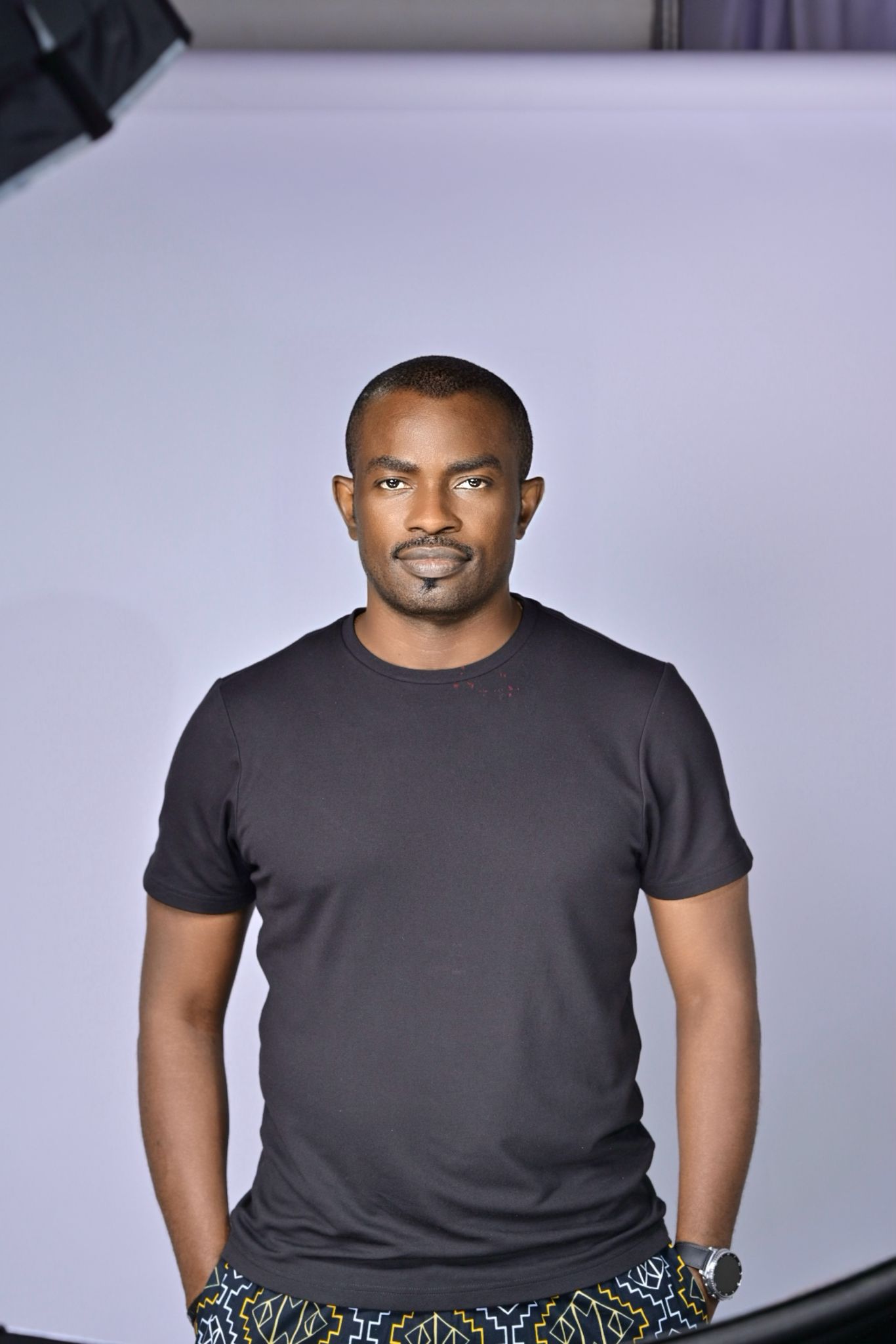
Founder / CEO · Scrella Technologies Ltd
You have built companies in some of the toughest and most capital-intensive sectors. What personal experiences or defining moments shaped the kind of leader you are today?
Over the years, I’ve learned that leadership is forged in pressure, not comfort. My journey began in sectors where margins for error were extremely slim eg. construction support, dredging, and land reclamation. These industries demand discipline, precision and the ability to make high stakes decisions with imperfect information.
A defining moment for me was in the early days of building Rebar Perfecta. We were operating in a volatile environment, but I made the decision to pursue a forward-integration strategy that many believed was too ambitious. Executing that transformation not only stabilized the business but ultimately multiplied our revenue fivefold. That experience taught me two things: first, that clarity of vision is useless without the courage to execute, and second, that people follow leaders who take responsibility, not comfort.
Those experiences developed the leadership temperament I embody today, calm under pressure, decisive when it matters, and deeply committed to building structures that outlast individual effort.
The dredging and land reclamation business places you in rooms with influential developers, premium estate investors and decision makers shaping the Lagos coastline. What has navigating this level of clientele taught you about leadership, negotiation and operating in high-value circles?
Operating in that space teaches you very quickly that value, not voice, earns you a seat at the table. These are clients making multi-billion-naira decisions, private estate developers, institutional investors, and policymakers defining the future of Lagos. In those rooms, credibility is currency.
I’ve learned that negotiation at this level goes beyond pricing, it is about trust, competence, and the assurance that you can deliver under the most demanding conditions. Leadership, for me, has become less about directing and more about enabling enabling confidence, enabling clarity, enabling execution.
Most importantly, I’ve learned that real influence comes from consistency. If powerful stakeholders know that you always deliver, your name travels faster than your proposal. That is how you remain relevant in high-value circles.
You operate at the intersection of strategy and execution. What is the internal mindset or discipline you rely on when pressure is high and the stakes are significant?
My discipline is rooted in three principles: clarity, structure, and calm.
First, I always isolate the fundamentals- every complex challenge has a simple core. Once I understand that core, the noise becomes manageable.
Second, I rely heavily on structured thinking. I break problems down into sequences, what must happen now, what must happen next, and what must never happen. This approach keeps me grounded, even when timelines are aggressive or capital is at risk.
Finally, I protect my calm. Pressure is inevitable; panic is optional. A leader’s emotional state becomes the organization’s emotional state. I’ve learned that if I stay centered, my teams are able to perform optimally, even when we’re executing at speed.
As your companies scale, your role must continually evolve. What leadership habits have you had to unlearn, and what new ones have become essential for you to operate at a higher level?
One of the most important habits I had to unlearn is the instinct to do everything myself. When you start a business, you are the operator, strategist, and executor. But as the organization grows, that mindset becomes a limitation. I have learned to delegate more deeply and empower people to own outcomes, not just tasks.
Equally, I had to unlearn the tendency to focus primarily on operations. At scale, your role shifts to vision, systems, capital, and culture. The organization needs you looking ahead, not looking down.
The habits I have embraced include building stronger leadership benches, institutionalizing processes, and making decisions with long-term impact in mind. Scaling requires elevating not just the business, but your thinking.
Looking across your portfolio, what would you consider your biggest achievement or milestone to date, and what does it reveal about the scale at which you are now operating as a business leader?
One of my proudest milestones remains the transformation of Rebar Perfecta. Taking a company from 16 employees to over 120, increasing revenue fivefold, and positioning it as a respected player in the construction support industry all within a period of unprecedented economic pressure required clarity, resilience, and disciplined execution.
But beyond the numbers, the achievement demonstrated our capability to build organizations with structure, scale, and sustainability. It also laid the foundation that now allows me to fully focus on building Scrella, a company designed to transform digital protection and financial inclusion across Africa.
To me, the milestone is not just about growth; it is evidence that we operate at a level where strategy meets scale, and where bold ideas are supported by the systems to bring them to life.